Repair or Replace Your Furnace: How to Make the Right Call
The Short Answer: Here Is How to Think About It
A failing furnace in Reading forces a decision fast, and the wrong call can cost you a lot of money. A younger furnace with a straightforward repair is almost always worth fixing. You still have years of useful life ahead.
Past its expected lifespan? Multiple repair calls every winter? Time to think about replacement. Older units become expensive to keep running.
The rest of this page walks you through the numbers and the warning signs so you can make a confident decision.
The Age-Times-Repair-Cost Rule and When Should You Use It
The rule is simple. Take the repair cost. Multiply it by the age of your furnace in years. If that number is high, replacement usually makes more sense than repair.
Here is how the math works in real life. A younger furnace with a modest repair cost produces a low number. That usually means repair makes sense. The unit still has useful life ahead of it.
Now picture a 22-year-old furnace with a small repair cost. Sounds cheap, right? Multiply that cost by 22 and the number climbs fast. A furnace that old is nearing the end of its expected lifespan, and that fix will not be the last one.
Try one more. A 15-year-old furnace with a mid-range repair cost can land right at the tipping point. Replacement deserves a serious look.
First, a young furnace can fool the math. A newer unit with a high repair cost might still score as a repair on paper. But a major failure on newer equipment might point to an installation or manufacturing problem. Look closer.
Second, an old furnace can score a "repair" mathematically but still be failing in multiple ways at once. Airflow problems, cycling issues, uneven heat. The math alone does not capture that. Get a real assessment before you commit to either option.
Why Repair History Matters as Much as Any Single Repair Cost
One expensive bill feels like the story. It is not. Multiple repairs over two or three years tell the real story.
Here is what happens with aging furnaces. One part fails, you fix it, and months later something else breaks. Each repair resets your cost exposure. The next breakdown is usually close behind, because the same wear affecting one component is working on the others too.
Before you decide on your current quote, add up what you have already spent in the last two to three years. If that total approaches half the cost of a new system, the current bill is not the real question anymore. The question becomes how many more repair cycles you want to pay for.
A full repair history tells a technician where the furnace is headed. A good crew looks at the whole picture, not just today's problem.
At What Age Should You Replace a Furnace
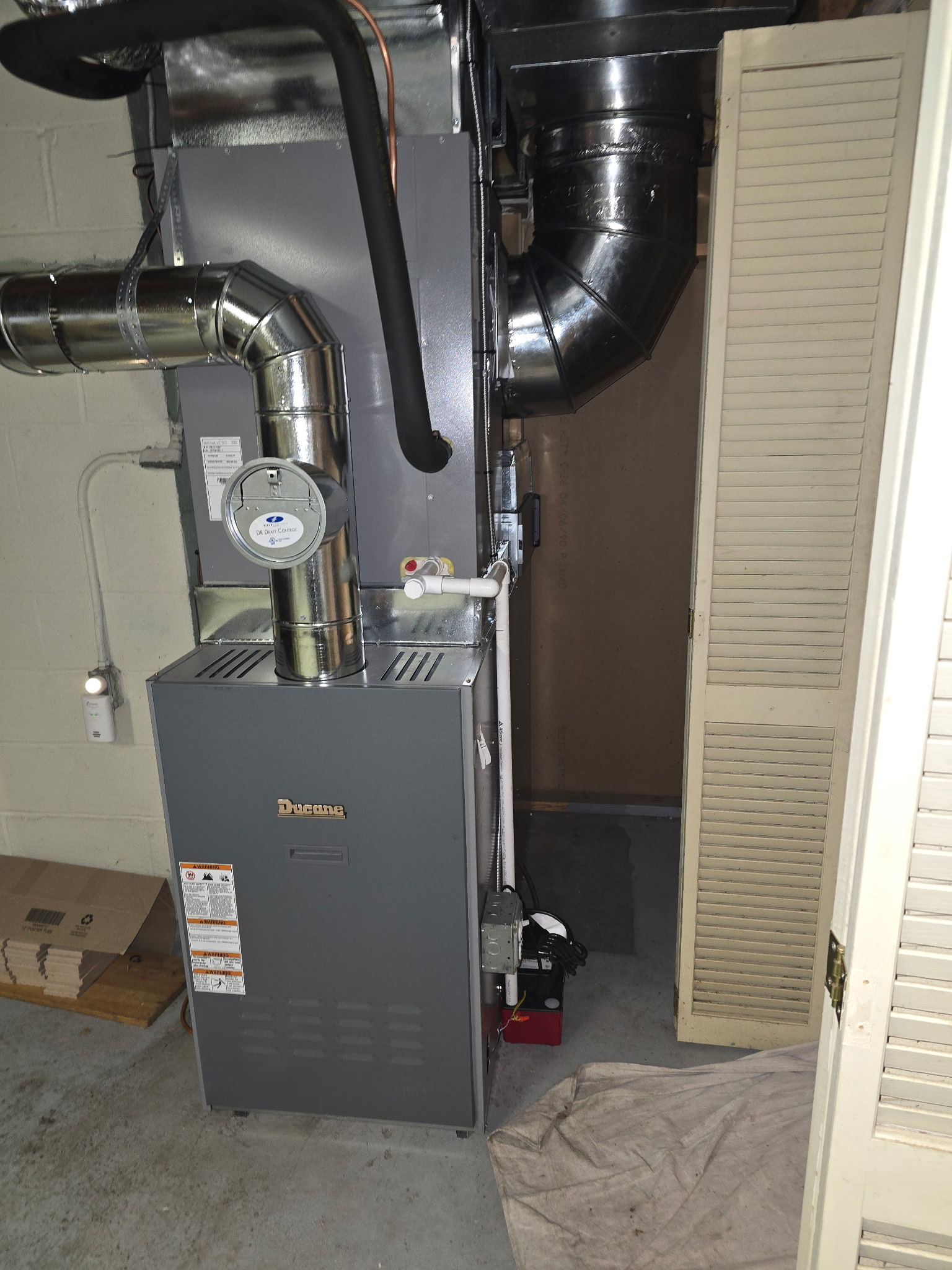
Most gas furnaces last 15 to 20 years. Before 15 years, repair usually makes sense. After 15 years, look harder at the numbers.
Once a furnace hits 20 years, replacement becomes the standard answer. Parts grow scarce. Efficiency drops. Repairs pile up back to back. Major money into a 22-year-old unit is rarely a smart bet.
Age alone does not tell the whole story. Maintenance history, repair frequency, and heating bills all matter. But age is the first number you should know.
Not sure how old your furnace is? A technician can usually find that information on the data plate and help you talk through your options honestly.
Five Signs Your Furnace Needs Replacing, Not Just a Repair
Some furnace problems deserve fixing. Others signal the unit is done. These five warning signs usually point toward replacement, not another repair bill.
Your Energy Bills Keep Climbing
If heating costs keep rising but your habits have not changed, your furnace is losing efficiency. Older units run longer and work harder to heat the same space. That extra runtime shows up every month on your gas or electric bill.
You Have Called for Repairs More Than Once or Twice in the Last Few Years
One repair is normal. Two or three in two years? That is a pattern. When furnaces start breaking down in multiple spots, the heat exchanger, the blower motor, the igniter, it means the whole system is wearing out. Fixing one part only delays the next failure.
Some Rooms Are Hot and Others Stay Cold
A furnace that cannot push heat evenly through your home is failing at its basic job. Uneven heating often signals the system can no longer move enough air. Check the ducts first, but if they are fine, the furnace itself is usually the culprit.
The Burner Flame Is Yellow or Flickering
A healthy furnace burns with a steady blue flame. Yellow or flickering flames mean the burner is producing carbon monoxide instead of burning cleanly. This is a safety issue. Do not ignore it.
You Hear Banging, Rattling, or Popping
Loud noises are never normal wear. Banging often means a cracked heat exchanger. Rattling signals loose or failing internal parts. Something is mechanically wrong, and the fix is rarely simple or cheap.
Should You Replace the Furnace and AC at the Same Time?
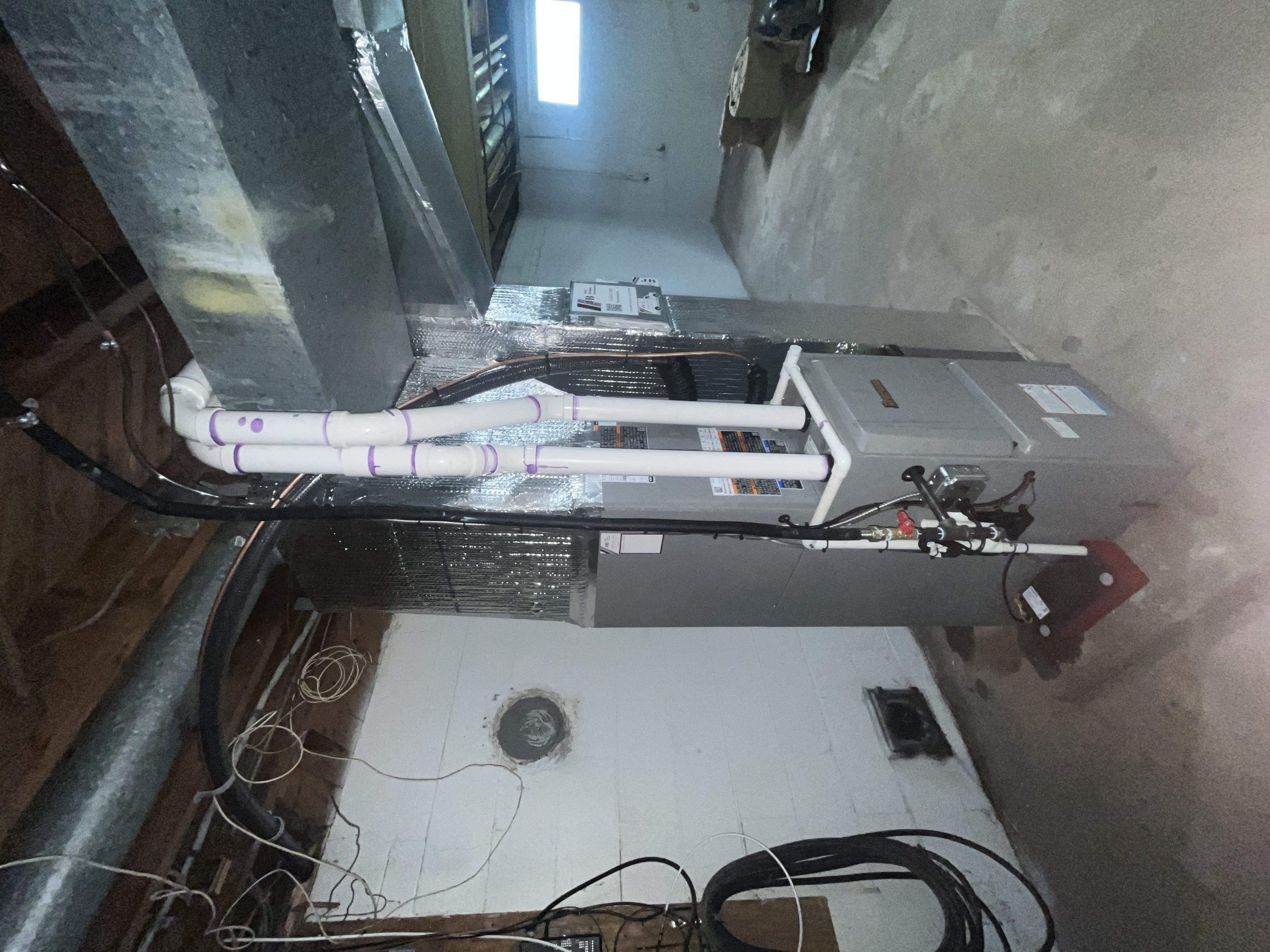
Homeowners ask this often. The honest answer depends on your AC. If both systems are nearing the end of their useful life, replacing them together makes sense. Labor costs drop when the crew is already there. Matched systems run more evenly than mixing old with new.
But if your AC is only a few years old and running well, replacing it early just to bundle the job does not pay off. You would spend money on a system with good life remaining. Rarely the right call.
Before you commit to both, ask your contractor for a straight assessment of your AC unit. Age, condition, and recent repair history all factor in. A good tech will walk you through both systems and help you decide what actually makes sense.
Is It Better to Plan a Replacement or Wait Until the Furnace Dies?
Waiting until it quits almost always costs more. A dead furnace in January means no shopping. Just heat. Fast.
Emergency winter installs limit your choices. Contractors are slammed. Equipment options shrink. You end up taking what is available instead of what suits your place and budget best.
A planned replacement in fall or spring changes everything. Time to research different equipment. Time to get a free estimate. Time to decide without a cold house pushing you.
If your furnace is showing trouble signs, now is the time to talk through your options before winter forces the decision. A free estimate costs you nothing and tells you exactly where you stand.
Frequently Asked Questions About Furnace Repair vs. Replacement
Does furnace efficiency rating matter when I am deciding?
Yes. A lot. An older furnace can lose a significant portion of every dollar of gas out the flue. A new high-efficiency unit converts far more of that gas into heat. That gap shows up on your gas bill every single month.
What if the heat exchanger is cracked?
A cracked heat exchanger is serious. Carbon monoxide can leak into your living space. In most cases, replace the furnace. Heat exchanger repairs cost a lot, and on an older unit, the price rarely makes sense.
Can I get a free estimate before I decide?
Yes. JB Plumbing HVAC and Construction offers free estimates. We come out, look at your system, and give you honest numbers. You decide from there. No pressure.
How do I know if my furnace is actually the problem?
Sometimes it is not the furnace. Maybe a dirty filter. Maybe a bad thermostat. Maybe a clogged vent. A tech can diagnose the whole system and rule those out first. Do not replace anything before someone actually checks.
How fast can I get someone out to my home in Reading?
JB Plumbing HVAC and Construction offers same-day service. That efficiency gap between an old furnace and a new one is exactly the kind of thing we walk you through so you are not guessing.
What credentials should I look for in a heating contractor?
In Pennsylvania, home improvement contractors carry a state registration. Ask any contractor for their PA HIC registration number before work begins. JB Plumbing HVAC and Construction holds PA HIC Reg. #PA078141.
Need Help With Your Home?
Family-owned in Reading, PA since 2011. Plumbing, HVAC, and remodeling done right the first time.