How to Choose the Right AC System for Your Reading, PA Home
The Short Answer: Size, System Type, and Your House's Quirks All Matter
Reading homeowners pick the wrong AC system all the time, and most of them find out the hard way when the first hot-month electric bill hits. The brand name on the side of the unit and the SEER rating on the spec sheet are not where this decision starts. The size of the unit matters. The type of system matters. How your home is actually built matters most of all. These three factors drive everything else.
Get the size wrong and you will pay for it every month. Wasted energy costs add up fast. The unit breaks down sooner than it should.
This guide walks you through what to look at before you shop.
Start With the System You Already Have
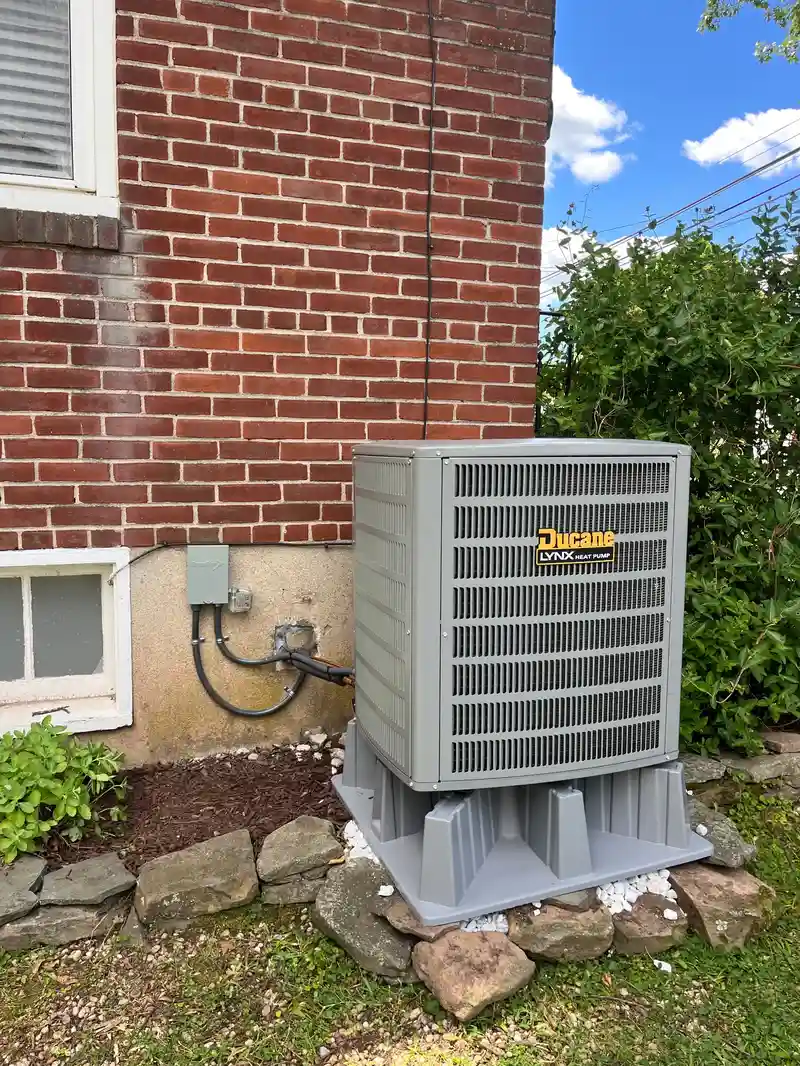
If your current system kept the house comfortable and ran in normal cycles, its size is a reasonable starting point for the replacement. That sounds obvious. It gets skipped constantly, because it is easier to quote a number off a square footage chart than to go look at what is already installed.
But the existing size is a starting point, not the final answer. Two things change it.
What has changed about the house. New insulation, replacement windows, a finished basement, an addition, or a converted attic all move the number. If the house is meaningfully different from what it was when the old system went in, the old size may no longer fit.
Whether the old system was actually right. Sometimes it was oversized from day one. That shows up in specific ways, covered in the next section. If your current unit was wrong, matching it just repeats the mistake.
How to Tell If Your Current System Was Sized Wrong
Two signs show up most often.
The unit cycles on and off constantly and the house never quite reaches the temperature you set. An oversized system cools the air fast, satisfies the thermostat, and shuts off before it has pulled any humidity out. You end up with a house that is cold and clammy at the same time.
Certain rooms stay noticeably warmer than others even when the system runs continuously. That usually points to undersizing, or to a duct problem that no amount of new equipment will fix on its own.
If either of these describes your house, say so when you call. It changes the conversation.

The Repair-Cost-Times-Age Test: When to Repair and When to Replace
Here is the test: multiply what the repair will cost by the age of the unit in years, then weigh that product against what replacing the system outright would run you. When the product climbs past the cost of replacement, repairing stops making financial sense. We are not going to put numbers in your mouth here, because the only two that matter are already on paper in front of you: the repair quote and the age on the nameplate. Get both in writing and the arithmetic answers itself.
But here is what the rule misses: Reading summers are brutal. July and August in Berks County bring relentless heat and heavy humidity without letup. You are not nursing a struggling unit through a mild stretch. You are running it hard for three straight months.
A 15-year-old undersized unit loses efficiency. Every season costs more. That August electric bill does not lie. An old system works twice as hard and still falls short on the worst days.
Central Split, Ductless Mini-Split, or Heat Pump: Which One Fits Your Home
Most buyer's guides treat every house the same and walk you through three system types, then tell you to pick one. That advice falls apart fast when you are standing in a brick rowhouse in the Centre Park Historic District or an older twin in East Reading built around cast iron radiators and electric baseboard heat. There is no duct system hiding in the walls. There never was.
Central Split System
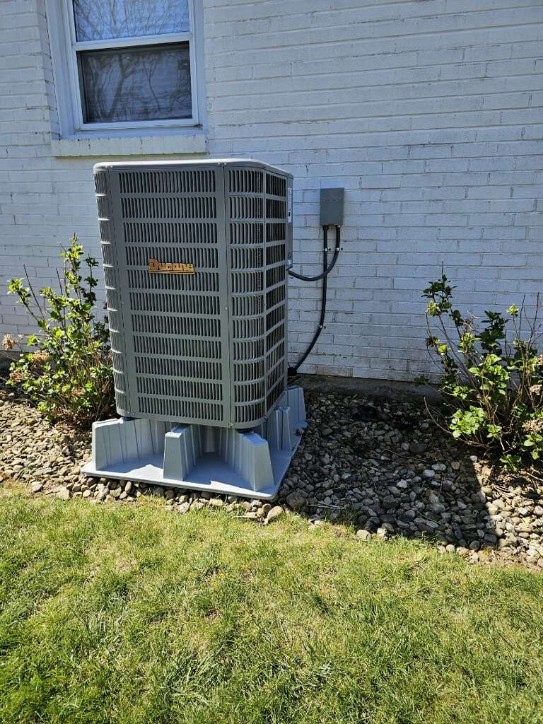
What most people picture when they think of central air. It uses a furnace and ductwork to move conditioned air through the house. If your property already has ducts in decent shape, this is often the most straightforward path. If not, you are looking at a major construction project before the AC installer even shows up.
Ductless Mini-Split
The practical answer for Reading's older housing stock. They mount on walls. They connect to outdoor units through small holes in the exterior. They cool individual rooms or zones without needing ducts. For a rowhouse or narrow twin, this setup makes real sense. Installation is less invasive than you might expect.
Heat Pump
Works differently. It moves heat rather than generates it, which means one system handles both heating and cooling. If you are currently running expensive electric baseboard heat through a Reading winter, a heat pump deserves a hard look. The heating savings alone can change the math on the whole project.
None of these is universally right. The right answer depends on what your place actually has, how it was built, and how you heat and cool it today. Our HVAC services page covers what we install and service.
What SEER2 Actually Means and How to Avoid Overpaying for Efficiency
SEER2 is the efficiency rating for air conditioners. Higher numbers mean less electricity for the same cooling output. But the gains shrink fast as numbers climb. A jump from 14 SEER2 to 16 SEER2 is real. From 18 SEER2 to 20 SEER2? You are paying much more for a smaller improvement.
Berks County has hot summers. It is not Houston or Phoenix. Your AC does not run twelve months yearly. In a moderate climate like ours, the payback period on premium equipment can stretch past ten years. Energy savings take a decade just to cover the extra cost. For many Reading homeowners, the math does not favor the most expensive unit on the lot.
PPL Electric Utilities serves most of Berks County. They offer rebates on qualifying high-efficiency equipment. Rebate amounts change yearly. Verify current figures directly with PPL before you commit. Ask us what is available for the equipment you are considering and we will point you to PPL's current program details.
Older Reading Homes: The Wiring and Ductwork Problems Nobody Warns You About
A large share of Reading-area homes were built before 1960. The brick rowhouses lining streets in Hampden Heights are beautiful. The older twins in Oakbrook are beautiful. But they were not designed with central air in mind, and that creates serious problems when it is time to install a modern AC system.
Electrical Issues
Homes built before 1950 may still have knob-and-tube wiring, and a lot of pre-1970 houses are running a 60-amp panel. A modern air conditioner needs more power than either can safely deliver. Before the AC goes in, you may need a panel upgrade first. That adds cost, and not every contractor will tell you that upfront.
Space Constraints
Rowhouses and twins were built tight. Utility closets in these homes are often too narrow to fit a standard air handler. That rules out certain system types entirely and pushes you toward alternatives like ductless mini-splits.
What a Real Quote Looks Like
A quote you can trust comes from someone who looked at your house. Not a number over the phone off square footage.
Before anyone gives you a price, they should have looked at your existing system and what it has been doing, your ductwork, your electrical panel, and anything about the house that has changed since the old system went in. Then the quote itself should be in writing, with the equipment, the scope of work, and what is not included spelled out.
If a contractor never came out, never looked at what you have, and handed you a number anyway, that number is a guess.
Frequently Asked Questions About Choosing an AC System in Reading, PA
How long should a new AC system last?
A properly sized and installed central AC unit typically lasts 15 to 20 years. Regular maintenance keeps it toward the high end of that range, which is what our HVAC maintenance plans are for.
Can a mini-split work in a Reading rowhouse?
Yes. Mini-splits work well in rowhouses in Oakbrook or the Buttonwood area where ductwork is not practical. They handle the humidity coming off the Schuylkill corridor well when sized correctly.
Can I just replace my old unit with the same size?
Usually that is the right starting point, as long as the old system kept up and did not short-cycle. What changes the answer is a change to the house. New insulation, replacement windows, a finished basement, or an addition all move the number. Tell your contractor what has changed since the old system went in.
How do I verify a PPL rebate before I commit?
Ask the contractor to show you the current rebate details from PPL Electric Utilities directly. Do not take their word for it. Rebate amounts change, and you want confirmation before you sign anything.
What is the first step before getting any AC quote?
Have someone come out and look. Your existing system, your ductwork, your electrical panel, and what has changed about the house since the old unit went in. A price given without any of that is a guess.
Is my older Reading home a candidate for a heat pump?
It depends on your current heating setup and your electrical panel capacity. Homes running electric baseboard heat in the Mt. Penn or Glenside areas often see strong results from a heat pump swap. Homes with existing gas systems need a closer look at the numbers before committing.
Get a Straight Answer for Your Specific House
The equipment decision gets easier once somebody has actually looked at your house.
Your existing system, your ductwork, your panel, and whatever has changed since the old unit went in are what determine the right answer. Skip that and the size is a guess, the efficiency numbers are a guess, and you are the one paying for those guesses every month on your electric bill. If your property is one of the older twins or rowhouses spread across Berks County, that matters even more, because the house itself fights you.
If you already got a quote from someone who never came out to look, it is worth a second opinion.
If you're dealing with this in Reading, we can help. Call JB Plumbing HVAC and Construction at (610) 621-3452.
Need Help With Your Home?
Family-owned in Reading, PA since 2011. Plumbing, HVAC, and remodeling done right the first time.